
After more than ten years working as a plumber in residential homes, I’ve learned that leaking tap repairs are almost never about the drip itself. The drip is just the symptom people notice. The real story is happening inside the tap body, where wear builds slowly and predictably until it finally announces itself one drop at a time. By the time someone calls me, that sound has usually been part of their day for weeks.
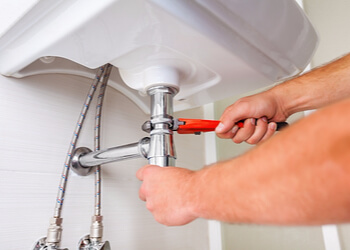
One of the first tap jobs that really stuck with me was in a small kitchen where the homeowner insisted the leak had “only just started.” When I dismantled the tap, the washer had worn unevenly and the valve seat was already scored. That kind of damage doesn’t happen overnight. The tap had been struggling to seal properly for a long time, but the leak only became obvious once the materials reached a tipping point. Replacing the washer fixed the drip, but resurfacing the seat was what made the repair last.
In my experience, people often underestimate how much damage a slow tap leak can cause. I once attended a bathroom where the tap had been dripping into the basin harmlessly, or so it seemed. Underneath, the constant moisture had worked its way down the supply line and into the cabinet base. The wood was soft to the touch, and corrosion had started on the fittings. The repair itself was minor, but the surrounding damage told a different story. Water doesn’t need volume to cause problems; it just needs time.
A common mistake I see is overtightening the handle to stop the drip. It feels logical, but it often accelerates wear. I’ve repaired taps where the spindle was damaged because someone kept forcing it shut harder and harder. That extra pressure deforms internal components, making the leak return faster and worse. Taps are designed to seal with alignment and compression, not brute force. Once that balance is lost, small fixes stop working.
Another situation that comes up regularly involves modern mixer taps. People assume they’re maintenance-free until they fail suddenly. I remember a call last spring where a mixer tap began leaking intermittently only when hot water was used. The ceramic cartridge had developed a fine crack that expanded with heat. From the outside, everything looked fine. Diagnosing it required stripping the tap and testing under different temperatures. Without experience, that kind of fault is easy to miss or misdiagnose.
Years of repairing taps have shaped how I see these jobs. A dripping tap isn’t just an annoyance or a water bill issue. It’s an early warning that parts are wearing, seals are shifting, or pressure isn’t being handled properly. Addressing it early keeps repairs simple and contained. Ignoring it lets a quiet problem turn into damage you can’t see until it’s already done its work.